Learning Activity 3:
Adapting to Change and Selected Theories
"Those who expect moments of change to be comfortable and free of conflict have not learned their history." - Joan Wallach Scott
"Some make it happen, some watch it happen, and some say, What happened?" - - Anonymous
Overview
 Change requires a great deal of flexibility and the ability to adapt. Nurses act both as change agents and as supporters/advocates who assist people to adapt to the myriad of changes that affect their lives. They also participate in influencing social and organizational change on many levels. Entire nursing theories have been based on this adaptation, for instance the Roy Model created by Sister Callistra Roy. The entire theory of evolution is based on this premise as well.
It is important for nurses to recognize why some people and sectors of society adapt very well to change, even chaos, while others do not adapt at all. Organizations, societal groups, including families that accept adaptation and change as a normal, ongoing part of life offer an environment where health, leadership, and excellence can flourish. In a society where change takes place very rapidly and unceasingly, nurses need to ensure that they do not abandon practices that should be preserved. It takes insight, skill, and collaboration to decide on the best adaptive response to any proposed change. Since stress is a natural outcome of any situation that requires adaptation or change, nurses also serve as buffers, agents, teachers, and guides in moving through times of change in a healthy way.
In this learning activity, we will look at four additional change theories, including:
- Collerette's Organizational Change Theory,
- Quade and Brown's Active Change Theory,
- Satir's Chaos Theory of Change,
- and Bainbridge's Organizational Redesign Theory
Collerette Organizational Change Theory
This organizational change theory was developed by Pierre Collerette, Robert Schneider, and Paul Legris, three leadership experts from Quebec to address the perpetual change within organizations in the 21st century. Their model for change consists of three main stages: a) Awakening,
b) Transitions (further divided into Disintegration and Reconstruction substages; and
c) Ritualization. In this theory, organizational change occurs across three dimensions: individual, collective and organizational.
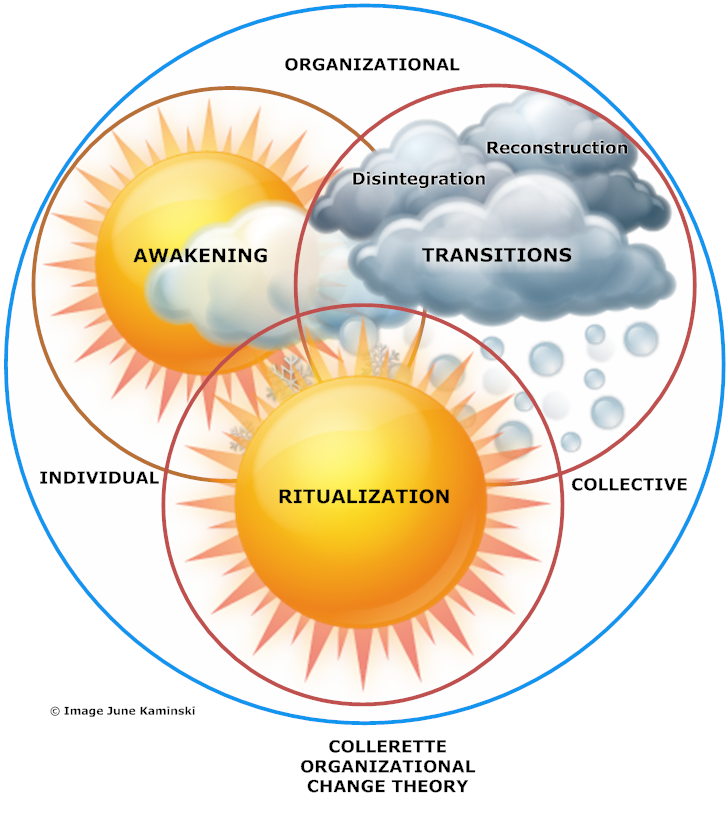
Figure 1: Collerette Organizational Change Theory
Active Change Theory
This theory, developed by Kristine Quade and Renee Brown in their book, The Conscious Consultant as an empowering model for personal and societal change that promotes change as opportunity and to embrace it in a self-reflective and conscious manner. The theory includes six processes within change, including perceiving, describing, accepting, questioning, acting, and changing organized within a spiral. (see Figure 2).
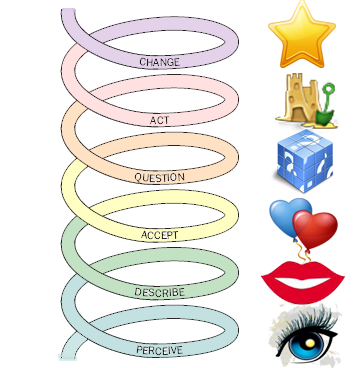
Figure 2: Active Change Theory
Satir Chaos Theory of Change
Family therapist Virginia Satir's Chaos change theory is widely used in psychotherapy and counseling. First developed to describe personal and family change, the theory also offers a useful guide for societal and organizational change. Satir described the usual way of doing things as the Old Status Quo. When a foreign element is introduced that spurs change (for instance an illness or an unexpected circumstance) resistance is encountered and the person/people involved feel like they are in a state of chaos. Over time, a transforming idea emerges that gives those involved hope, which supports them in moving towards the integration of the change. Once the change becomes part of daily living, it becomes an integral part of the New Status Quo. (see Figure 3).
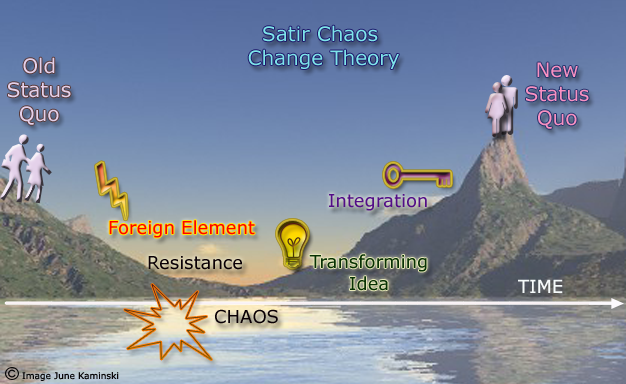
Figure 3: Satir Chaos Change Theory
Bainbridge Organizational Redesign Theory
Leadership expert, Colin Bainbridge outlined a five step process of redesign for organizations undergoing planned change. The five steps include:
- the Design stage to determine overall requirements;
- the Definition stage where the design is specified and documentation of the design stage requirements occurs;
- the Development stage, where new capabilities are cultivated through training, education and restructuring;
- the Dismantling stage, where redundant parts of the organization are removed or converted into new capabilities;
-
the Deployment stage, where new capabilities are introduced into the new organizational environment, both internally and externally.
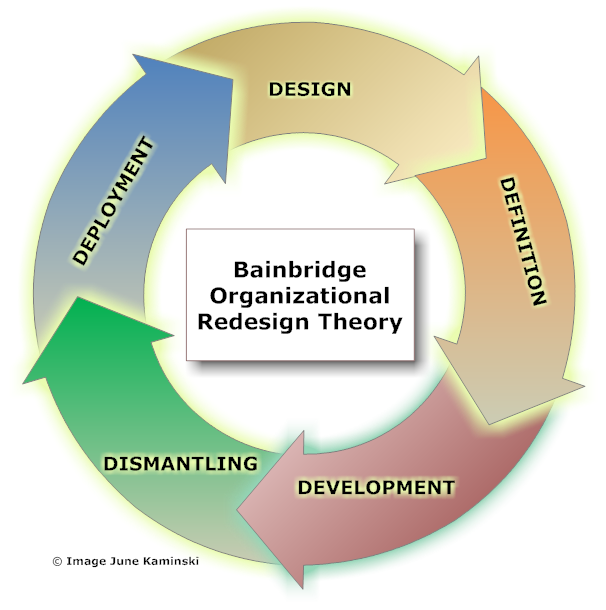
Figure 4: Bainbridge Organizational Redesign TheoryEnds In View
This learning activity is intended to provide learners with the opportunity to:1. Analyze the Adaptation components within various change models and apply to nursing issues and situations.
2. Examine how individual assumptions, perceptions, behaviour patterns, and supporting structures facilitate and/or hinder adapting to change.
3. Explore ways that nurses facilitate the adaptation to change process in individuals, families, groups, organizations, communities and society at large.In Practice
1. Participate in class discussion related to the adaptation to change within individuals, groups, organizations and society at large.
2. In small groups, brainstorm a nursing scenario that applies to the four Change theories presented in this learning activity, using the case scenarios provided.
3. In pairs or small groups, discuss how Adapting to Change is demonstrated in the Awakening Phase described in the Collerette, Schneider and Legris paper AND in the Active Change Model described by Quade and Brown. Are these models useful to nursing?
4. In small groups, draw a model (using any components you like!) to illustrate your view of nurses role in facilitating adaptation to change (this can be at any capacity, whether in individual clients, families, organizations, communities or society at large).
In Reflection
1. Assess your own level of adaptability to change. Are you flexible? Adaptable? Resilient?
2. How can you apply the theories studied this week to your change project in NRSG 4141? To your practice?
 IN PREPARATION: